
CES knows how to surprise us. Think creepy humanoid robots, robovacs that climb stairs, plus AI in everything. Companies at CES 2026 pitched new bots as home helpers and companions. Are they ready to join our lives? I say no. For most people, handing off everyday grunt work to humanoid bots still feels unrealistic. That said, they’re inching closer to being useful. A few other robots caught my eye too, though—for more unexpected reasons.
Humanoid robots: LG CLOiD and SwitchBot Onero H1
LG’s CLOiD (concept/prototype) isn’t too strange for a home robot. It looks a bit human and handles useful tasks, like laundry. But having Alice from Subservience walking through your home still feels like something out of the future.
The LG robot uses AI and vision technology to do chores around the house. It’s part of LG’s bigger push into “ambient care,” where machines help make life run smoother without much effort.
Related: CLOiD vs. X1 Neo: which CES 2026 home robot would I actually want doing my chores
LG isn’t the only company aiming to reduce household tasks. SwitchBot’s Onero H1 (coming soon for around $10,000), a robot on wheels, can handle your window washing or laundry. It builds on the company’s earlier robot and can move in 22 different ways, thanks to its 22 degrees of freedom (DoF).
AI pocket pet: Takway Sweekar

Takway, a Chinese startup, introduces Sweekar (coming soon for $100–$150), a cute AI pocket pet that grows with you in both body and emotion. Unlike most virtual pets, Sweekar can change its form over time through a built-in experience points system.
Users raise the pet from an egg to a baby, then a teenager, and then an adult. They feed it, clean it, and talk with it as part of the process.
Many people adopt pets with good intentions but give them away when marriage enters the picture and a partner wants no fur or extra work at home. That’s why I see Sweekar as a fun option for people who want the feeling of having a pet without the pressure of caring for a real one.
Stair-climbing robot vacuum: Saros Rover
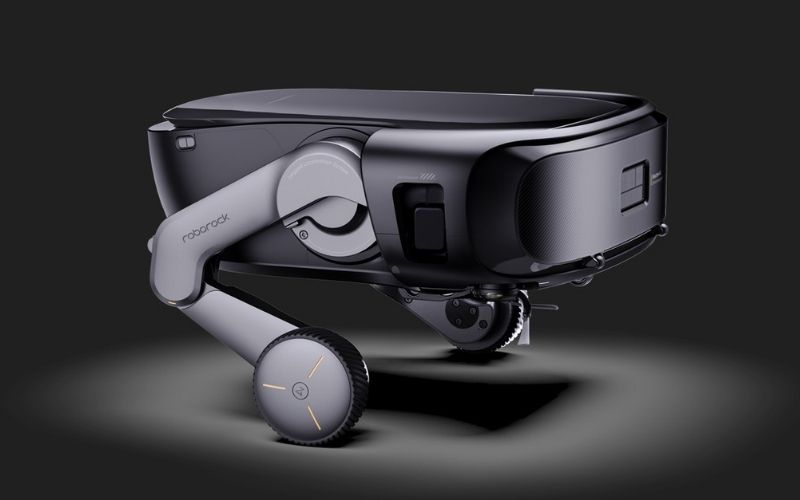
The Saros Rover (coming soon for around $2,500) robotic vacuum skips the usual arms. Instead, Roborock gave it a quirky set of legs that pop out so it can make sharp turns, hop over small obstacles, and even tackle your stairs while cleaning.
Robot-vacuum makers have been trying to build a single machine that can handle any home, especially ones with multiple floors. Roborock’s new design aims to move around the house with ease. Its “leg-wheels” can handle tricky layouts, and it can climb stairs while cleaning each step on its own, finally tackling one of the toughest vacuuming tasks at home.
Lenovo ThinkBook Plus Gen 7 Auto Twist
Meet the Lenovo ThinkBook Plus Gen 7 Auto Twist (coming in June 2026 for $1,649-$1,650), a unique business laptop with a 14-inch touch screen that spins on a motorized hinge. You can lift or rotate the lid by hand, or just say “Hey Tiko” (my friend’s name) and give a voice command.
The Auto Twist has a few playful features. The 10 MP webcam tracks your face, and if you slide to the side, the screen shifts to keep you in view. It feels built for presentations and keeps you front and center. And when the display moves, it comes to life with animated eyes and wiggling glowsticks—like the laptop itself is excited to see you.
Parting thoughts: the robots that got stuck in my head at CES 2026
While companies pitch bots as home helpers and companions, that vision still feels distant. Homes add quirks, clutter, and emotion. I see a need for major gains in capability and lower prices before households open their doors. What draws my eye instead is fresh thinking around everyday problems. I take CES as a sign that the future will arrive in small, surprising steps rather than giant robot leaps.
Grigor Baklajyan is a copywriter covering technology at Gadget Flow. His contributions include product reviews, buying guides, how-to articles, and more.