
CES 2026 is shaping up to be a turning point for home robotics, not because robots are suddenly everywhere, but because they are becoming more believable. For years, home robots meant one main thing: floor cleaning. This year, the story expands. Cleaning robots are getting sharper judgment and more flexible hardware, while humanoid assistants are stepping onto the consumer stage with arms, hands, and task learning that finally match real household needs.
The result is a clear message: the industry is moving from single task gadgets to multi skill helpers. Not perfect helpers yet, but meaningfully closer.
The headline shift: robots that can use their hands
The biggest psychological leap in home robotics is not better suction or smarter mapping. It is manipulation. A robot that can move through a home is useful. A robot that can pick up, place, and interact is a different category.
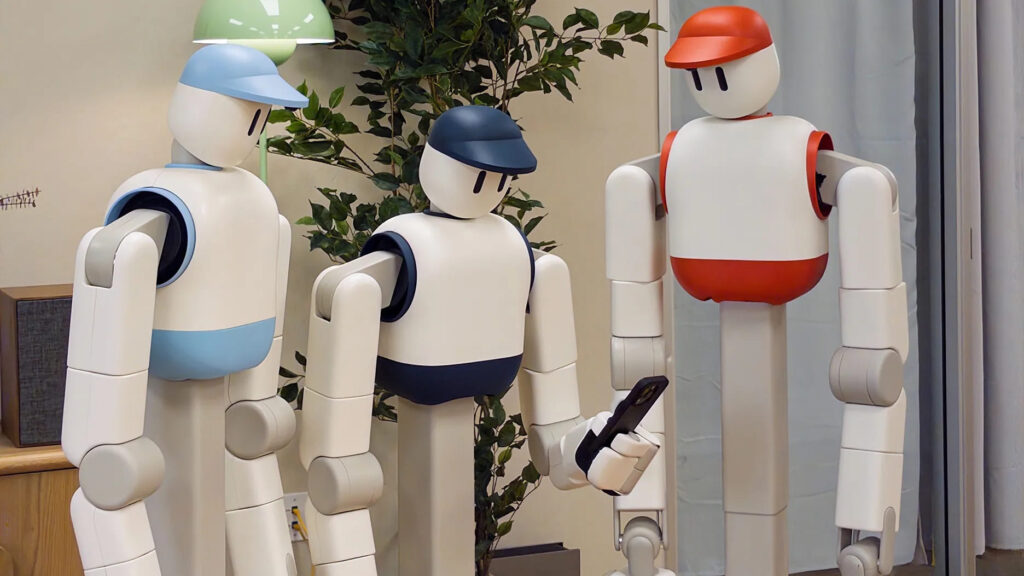
Image Credits: Wired
LG CLOiD: a home humanoid built for everyday chores
LG CLOiD is presented as a dual arm humanoid designed for household routines. The defining trait is its two arms with high freedom of movement and five finger hands, aimed at typical home tasks like loading a dishwasher, handling laundry, and assisting in living spaces. Its head unit combines the core perception and interaction hardware: display, speakers, camera, and sensors, enabling expressive communication, natural voice interaction, and navigation.
The bigger promise is personalization. CLOiD is positioned to learn user preferences over time through ongoing interaction, so it can adapt its behavior to the home it lives in rather than acting like a rigid machine.
LG has shown it as a CES 2026 debut, with consumer timing and pricing still unannounced. That matters because it frames CLOiD as a vision product that is becoming tangible, but not yet a mainstream purchase decision.
1X NEO: the boldest consumer proposal so far
If CLOiD represents a major brand stepping into humanoids, NEO represents a startup pushing the entire category forward with an explicit consumer offer.

Image Credits: Parametric Architecture
NEO is a humanoid home robot designed around chore automation and assistance. It uses two articulated arms with a large number of joints, plus voice and vision interfaces, to carry out tasks like folding laundry and picking up items. The concept is simple: give it a task list, schedule chores, and let the robot handle routine work.
What makes NEO especially notable is how it bridges today’s reality with tomorrow’s autonomy. When a task is unfamiliar, the system can rely on a remote expert who guides the robot and teaches it new behaviors. Over time, that process is meant to turn new demonstrations into repeatable skills. It is a pragmatic approach that acknowledges where home humanoids actually are right now.
NEO is also unusually transparent about pricing structure for a humanoid home robot: an early access purchase option and a subscription option. This is a real test of consumer appetite for high ticket home robotics, not just a demo.
Cleaning robots are evolving from mapping to judgment
While humanoids grab the headlines, cleaning robots are quietly becoming much more autonomous in the ways that matter. The core shift is from knowing where to go to knowing what to do when something changes.
Samsung Bespoke AI Jet Bot Steam Ultra: less babysitting, more autonomy
Samsung’s latest robot vacuum focuses on reducing the amount of prep a person must do before cleaning. It pairs deep learning object recognition with the ability to identify spills and decide whether to clean them or avoid them. It also improves mobility for real homes by handling thresholds with an elevated wheel system.
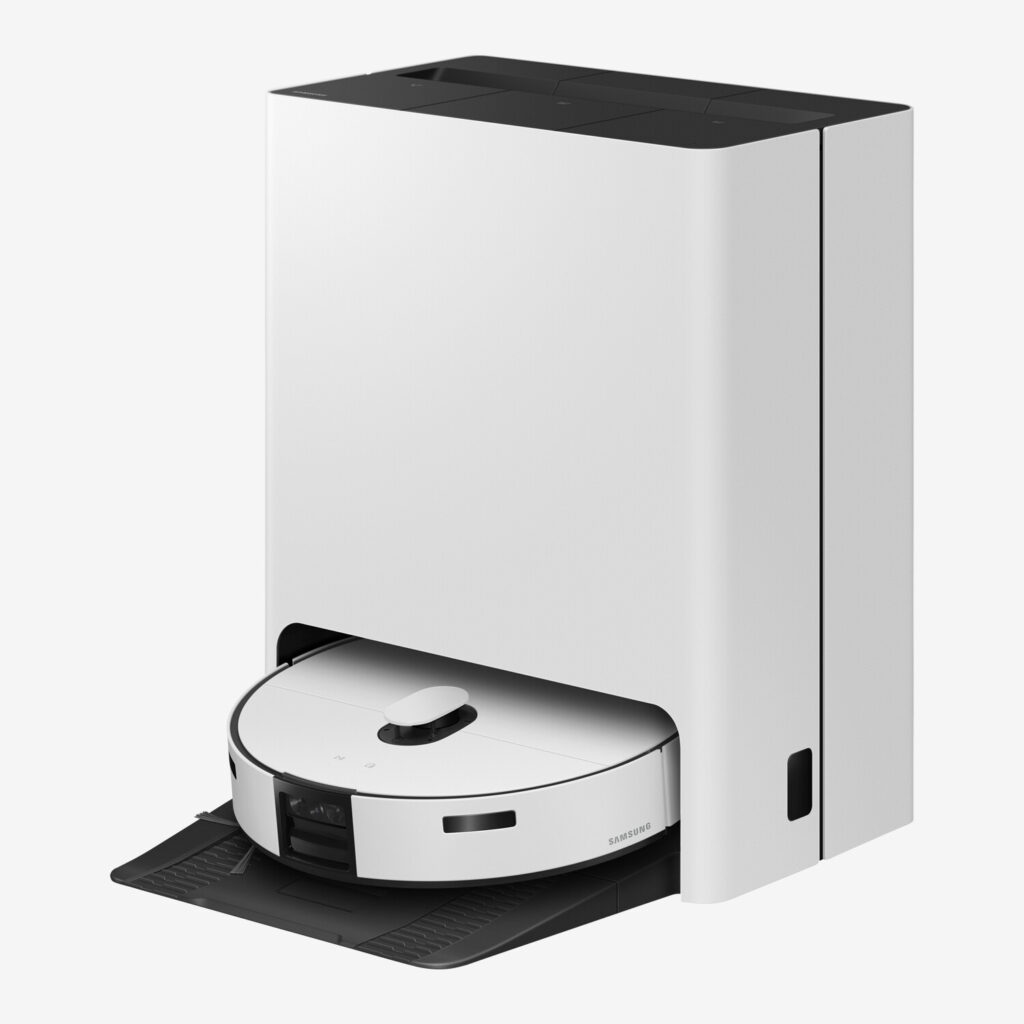
Image credits: Worldshop
The through line is decision making: recognizing cables, pets, rugs, and hazards, then choosing an action that minimizes interruption. Samsung has announced it for CES 2026 with timing and pricing still not disclosed.
xLean TR1: a transformable robot that becomes handheld
xLean TR1 pushes a different idea: do not just automate daily cleaning, also solve the moments that break automation.
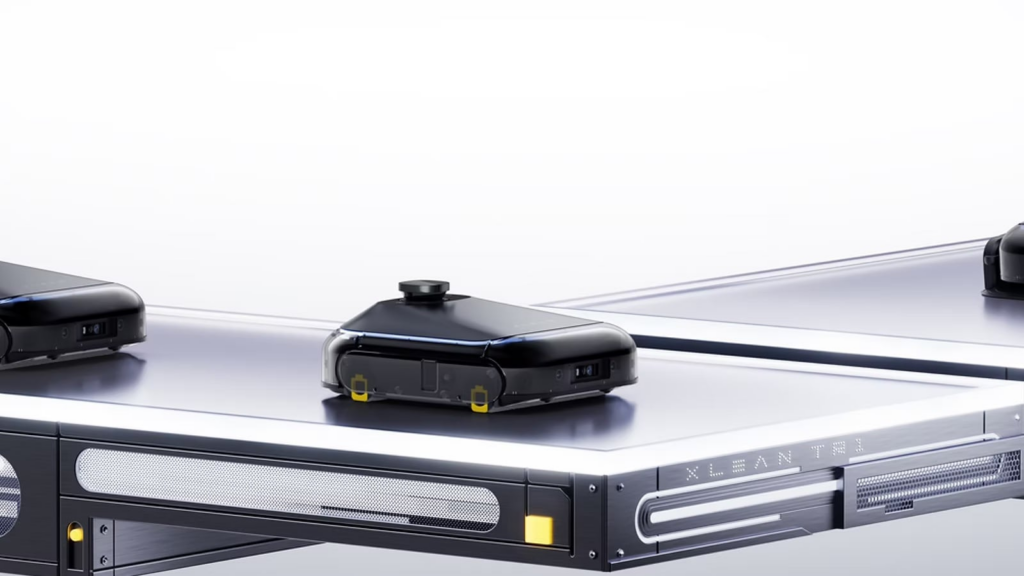
TR1 is positioned as a dual form robot that can transform from an autonomous floor cleaner into a handheld vacuum and mop quickly. In practical terms, that means routine cleaning continues as usual, but you can grab the same device for quick spot cleaning without pulling out a separate tool.
It also leans into continuous improvement through reinforcement learning, using feedback to refine how it detects mess levels, chooses deep versus light passes, and navigates obstacles. In other words, it is trying to behave less like a pre programmed appliance and more like a cleaning assistant that gets better.
Robotin R2 Pro: modular cleaning, including carpet washing
Robotin R2 Pro takes a modular approach, aiming to cover multiple cleaning categories through swappable modules. One module focuses on carpet wash and dry, while another handles vacuum and mop for hard floors. The platform includes AI based navigation and a docking station designed to support deeper cleaning workflows, including heated water and large tank capacity.

Image Credits: WV News
A future robotic arm module is teased for later, signaling where even cleaning robots are headed: from floorcare to object interaction.
Other home robots to watch at CES 2026
Beyond LG CLOiD and 1X NEO, CES 2026 is widening the definition of “home robots” in three directions: smarter floorcare, outdoor automation, and specialized cleaning for the jobs people avoid.
Next generation robotic mops and floorcare
This year’s floorcare wave is less about mapping and more about judgment, edge performance, and handling mixed messes without supervision.
Samsung’s Bespoke AI Jet Bot Steam Ultra is a clear example. It pairs AI object recognition with spill detection, and it is designed to decide when to clean or avoid a liquid mess, while navigating common obstacles like cables, rugs, and pets. It also targets real homes by climbing higher thresholds than typical robot vacuums.
Two other CES 2026 standouts push the category into new form factors:
xLean TR1 tries to solve the biggest friction point in robot mopping: when you still need manual spot cleaning. It transforms from an autonomous floor robot into a handheld vacuum and mop in about a second, so one device can do both daily maintenance and quick cleanup.
Robotin R2 Pro goes after deeper cleaning, especially for carpets. It uses swap-in modules, including a Carpet Wash and Dry module that is meant to wash, rinse, and dry carpet automatically, plus a Vacuum and Mop module for hard floors. It is a signal that floorcare robots are becoming modular platforms, not just single tools.
And outside these three, brands like ECOVACS are teasing bundles that pair a robot vacuum and mop with a compact window cleaning robot, pushing “floorcare” into broader whole-home coverage.
Outdoor and yard robots expanding the definition of home robotics
Home robotics at CES 2026 is not only indoors. Outdoor automation is becoming a parallel category, built around the same promise: remove repetitive labor through repeatable routines.
A concrete example is Yarbo’s modular yard robot approach, which centers on one power base that can run different seasonal modules.

Image Credits: Successful Farming
The core idea is simple: instead of buying separate machines, the robot becomes the mower in warm months and the snow or leaf solution in other seasons. This modular direction is important because it mirrors what is happening indoors, platforms that adapt to more jobs over time.
Single purpose robots that clean spaces humans hate cleaning
The third expansion is specialized robots designed for high friction cleaning tasks, the places people most want to avoid.
A concrete example coming into CES 2026 is the Hytron restroom and bathroom cleaning robot.
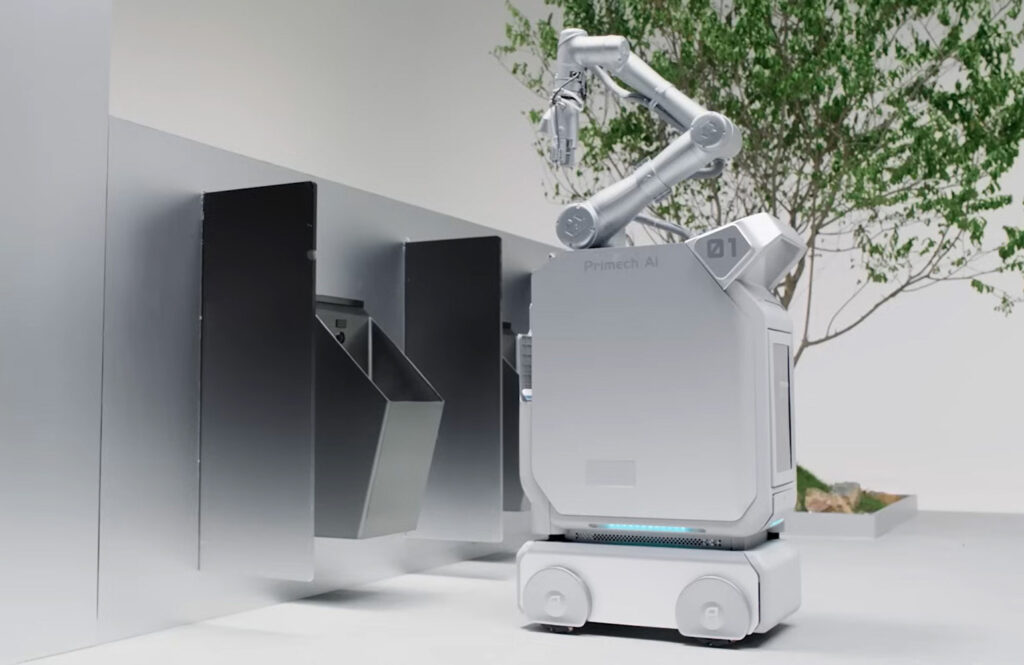
Image Credits: The Robot Report
It is built specifically to handle restroom environments, with the intent to clean surfaces like toilets, sinks, mirrors, and floors in tight layouts. Whether these systems land first in commercial spaces or move closer to consumer use later, they show the market is forming around a very clear insight: if a robot removes the most unpleasant cleaning tasks, it does not need to be general-purpose to be valuable.
What CES 2026 is really telling us: four trends
1) Manipulation becomes the new benchmark
Arms and hands are becoming the dividing line between a smart appliance and a true home robot. Even brands that start with cleaning are hinting at manipulation modules because that is where the category is heading.
2) Autonomy is becoming layered, not absolute
The most believable products do not claim magic. They combine baseline autonomy with guided learning, remote assistance, or adaptive models that improve over time. That hybrid approach is how robots will enter homes before they become fully independent.
3) The real battle is trust, not technology
A robot that moves around a home with cameras and microphones introduces a different kind of consumer question: not can it clean, but do I want it in my space. The winners will be the brands that communicate safety, control, and privacy in a way that feels concrete, not theoretical.
4) Pricing models are opening the door
Subscription options and early access programs are emerging as a bridge from demo to adoption. Instead of waiting for a perfect mass market robot, companies are testing demand now and using early users to accelerate improvement.
The reality check: what to expect next
CES 2026 makes one thing clear: home robotics is no longer just floorcare, and humanoids are no longer just lab theater. But it is still early. Release dates and pricing remain unannounced for several of the most exciting devices, and early offerings will target enthusiasts and early adopters first.
Still, the shift is real. The most important change is not a single feature. It is the industry’s new direction: robots that can see, decide, and increasingly interact with the home the way people do.
That is why LG CLOiD and 1X NEO matter. They are not just products. They are signals that the next phase of home robotics is starting now, in public, with clear use cases, clear tradeoffs, and a clear goal: fewer chores, less friction, and a more automated everyday life.