
CES 2026 is not just bigger, it feels bolder. Las Vegas turns into a living showroom from January 6 to 9, with a flood of launches across AI, robotics, mobility, health, smart home, and immersive entertainment. The show is massive and easy to do wrong, so this guide is built to do one thing: get you to the moments that actually matter.
Below is the CES 2026 hit list, the devices, demos, and trends that will shape what you buy, what you use, and what the industry builds next.
The CES 2026 headline: AI stops being a feature and becomes the interface
This year’s most important shift is not “more AI,” it’s where AI lives. It moves off the cloud and into devices, turning everyday products into systems that can see, translate, adapt, and respond in real time.
What to look for on the floor:
- AI that runs locally for speed and privacy, especially in translation, vision, and assistants
- AI embedded into appliances, not as a gimmick, but as an automation layer that removes steps
- AI plus displays, turning screens into ambient, artistic, and more human interfaces
Must see example:
- Fraimic Smart Canvas: A framed E Ink canvas that generates art from voice prompts and swaps visuals like a living painting, with deliveries expected in 2026. It is one of the clearest signals that generative AI is moving into home atmosphere, not just productivity.

Image Credits: Homecrux
Smart home: calm tech wins, plus a new wave of “kitchen intelligence”
The smart home story at CES 2026 is split into two lanes: calm interfaces that disappear into decor, and appliances that try to eliminate daily friction.
Do not miss:
- Mui Board: A wooden smart home controller that looks like a simple plank until it lights up with touch controls, then fades back into wood. This is the best kind of futuristic, the kind that does not feel like tech until you need it.
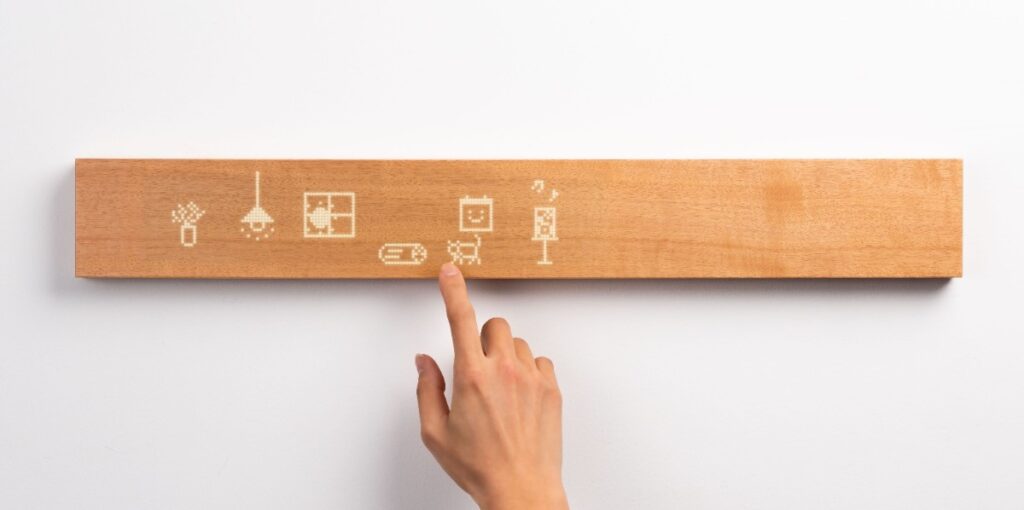
Image Credits: MuiLab
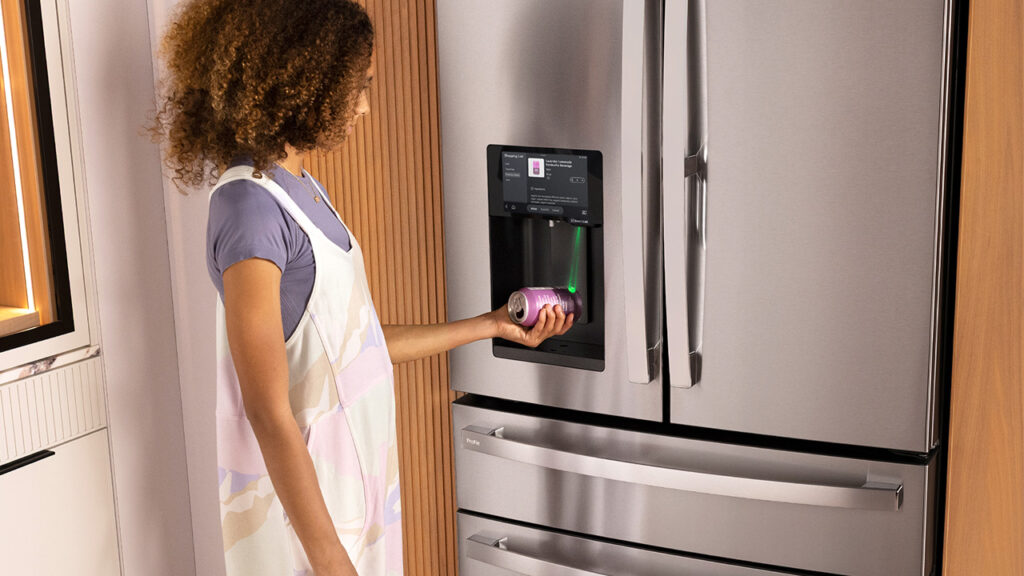
Image Credits: Homecrux
- Petkit Yumshare Daily Feast: A wet food feeder with storage for multiple days, camera monitoring, freshness logic, and AI insights. Pet tech is no longer niche at CES, it is becoming a full smart home category of its own.
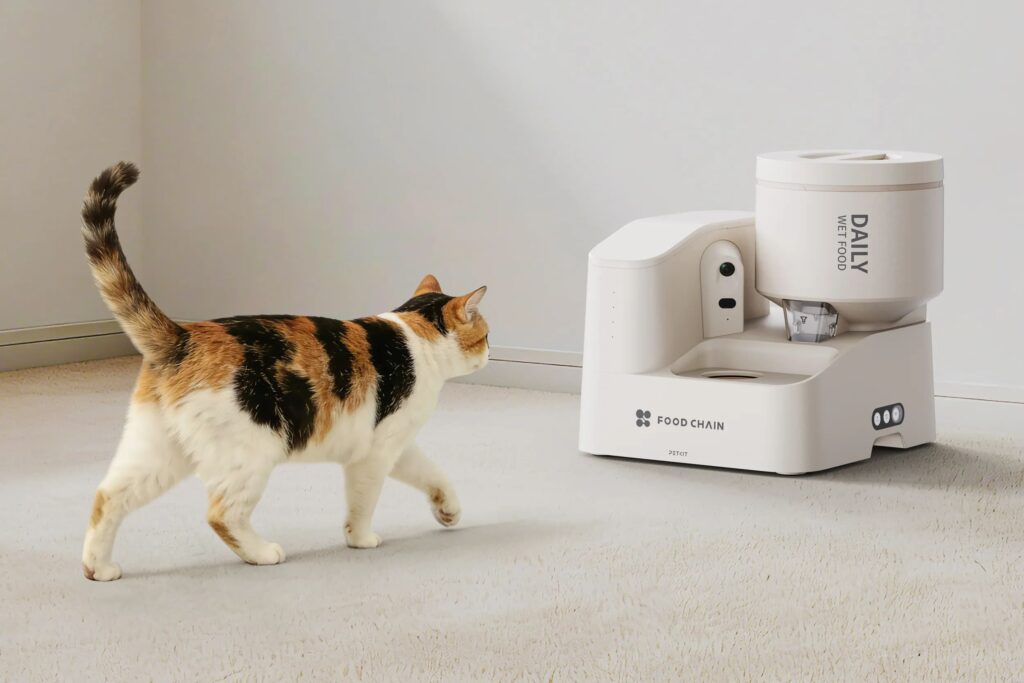
Image Credits: The Verge
Home entertainment: displays become decor, and speakers become creators
CES 2026 makes one thing clear: the living room is splitting into two modes, art mode and performance mode.
Put these on your list:
- LG Gallery TV 65 inch Art Display: An art frame style TV built for the wall aesthetic, designed to look like a canvas when “off.” Art display is now a battleground category.

Image Credits: LG
- Samsung Freestyle Plus: A meaningful brightness upgrade that makes portable projection far more usable outside perfect darkness.
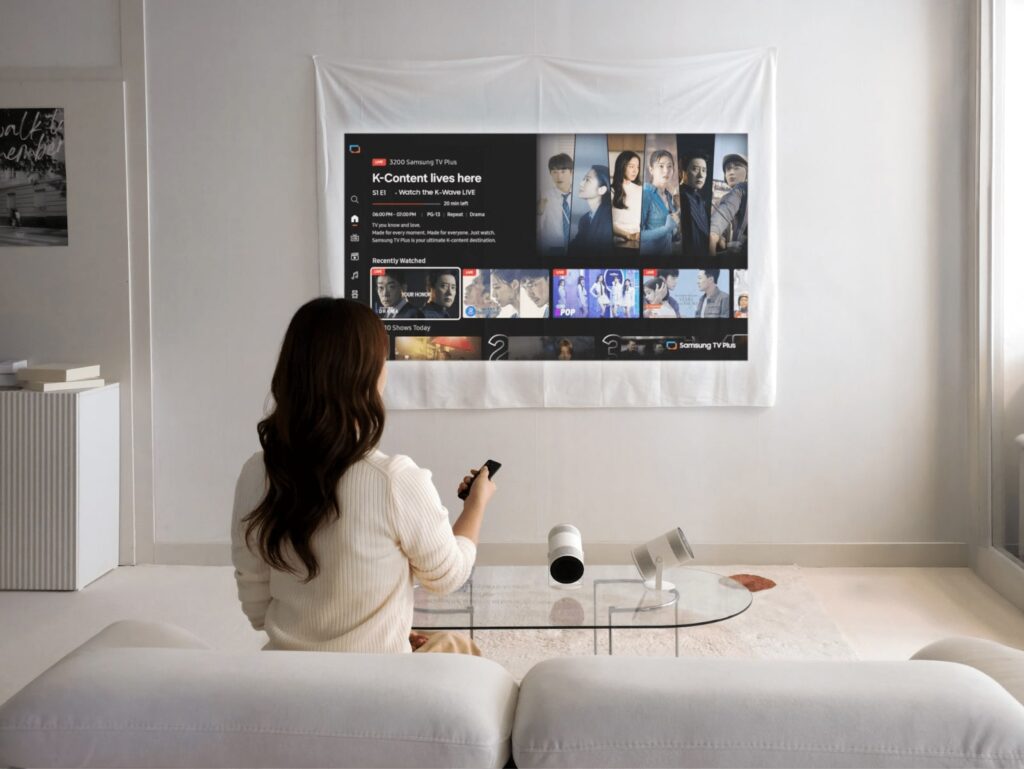
- LG Xboom Stage 501: A karaoke focused party speaker that uses AI to separate vocals from music in real time and adjust key, turning almost any song into a sing along moment.
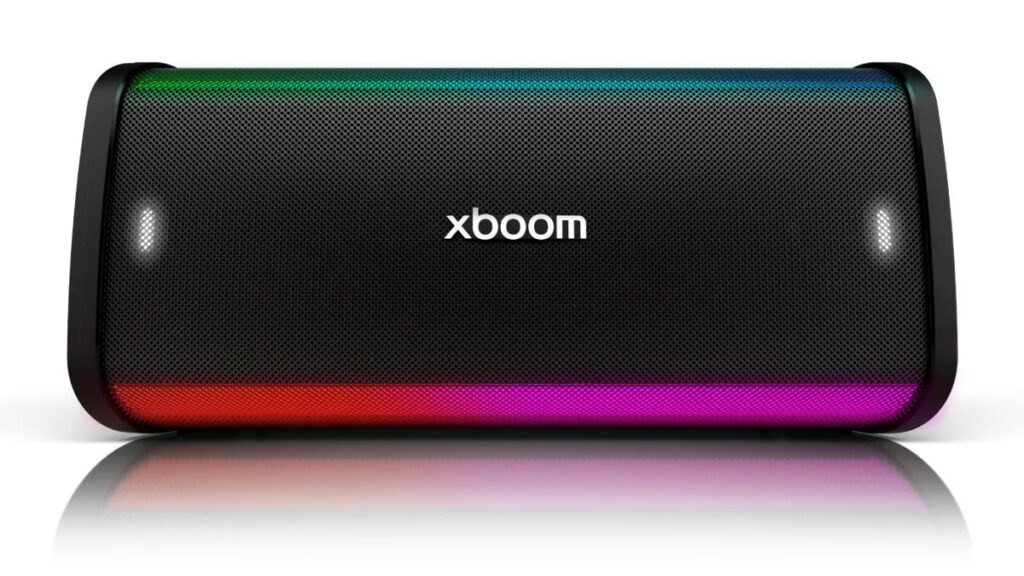
Image Credits: Gadgets 360
- Fender Audio ELIE speakers and Mix headphones: The standout idea here is longevity. The Mix headphones emphasize long battery life and user replaceable batteries, a rare design decision that treats premium audio like something you keep, not replace.

Image Credits: TechPowerUp
Wearables and health: two directions, extreme performance and invisible monitoring
Wearables at CES 2026 are either going to the edge of capability, or vanishing into new form factors.
Must see:
- Garmin Fenix 8 Pro MicroLED Edition: MicroLED on a watch is a flex, but the bigger story is satellite messaging and SOS on the wrist. It is a survival tool disguised as a smartwatch.
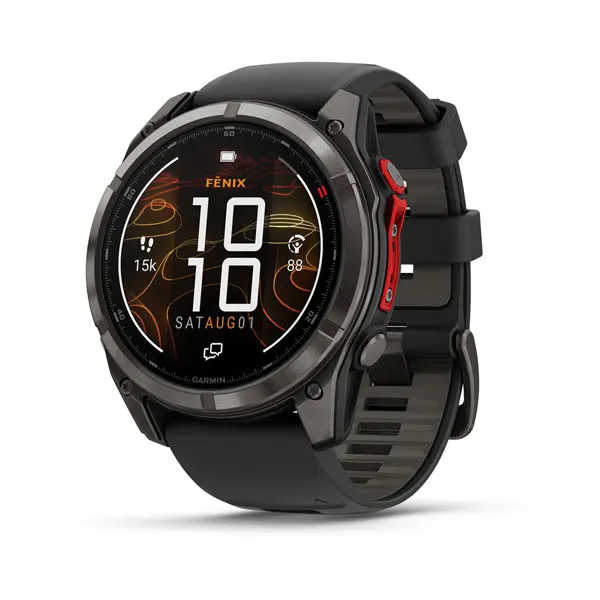
Image Credits: Garmin
- Timekettle W4 translator earbuds: Bone conduction voice capture paired with AI translation is one of the most practical “future becomes real” demos at the show. It aims for usable conversation in noisy environments, which is the hardest translation problem.
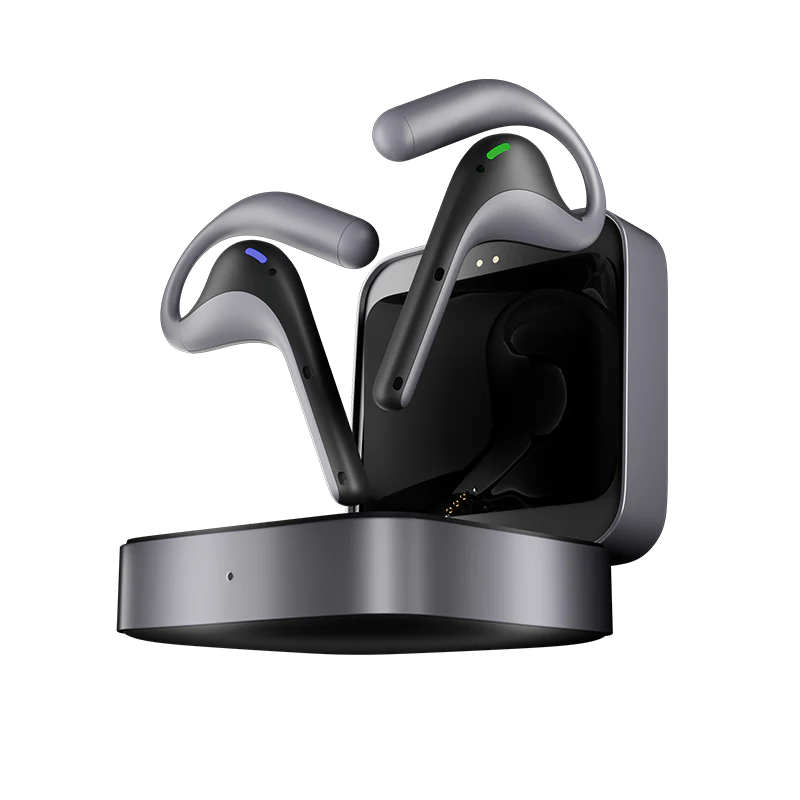
Image Credits: Timekettle
- VITAL Belt: A health wearable that looks like a belt and measures signals through clothing using mmWave sensing. This is where preventive health is headed, lower effort, always on, less visible.
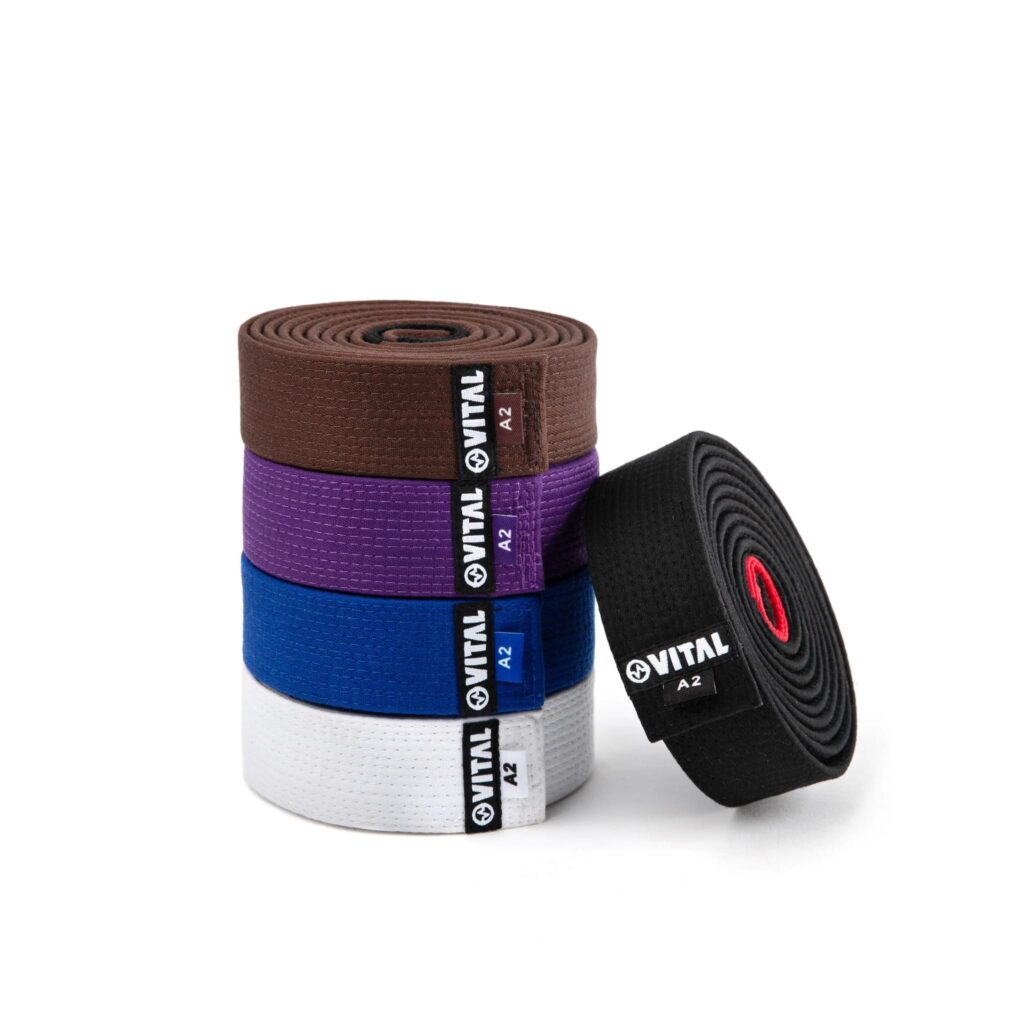
Image Credits: Vitalkimonos
Wearable robotics you should try if you can:
- Dnsys Z1 knee exoskeleton: Consumer exoskeletons are turning into real products, not sci fi props. The right demo will feel like you borrowed stronger legs.

Image Credits: New Atlas
Robotics: the home robot era gets serious, and humanoids steal the spotlight
CES 2026 is one of those years where robotics feels like it crosses a line from concept art into strategy.
Do not miss:
- LG CLOiD: A concept home robot with a more capable form factor, including articulated hands designed for real manipulation. The key signal is ambition: companies are positioning home robots as future household platforms, not toys.
- Boston Dynamics Atlas live presence: Humanoid robotics on a public stage changes the tone of the entire show. It stops being “someday” and becomes “watch what it can do right now.”
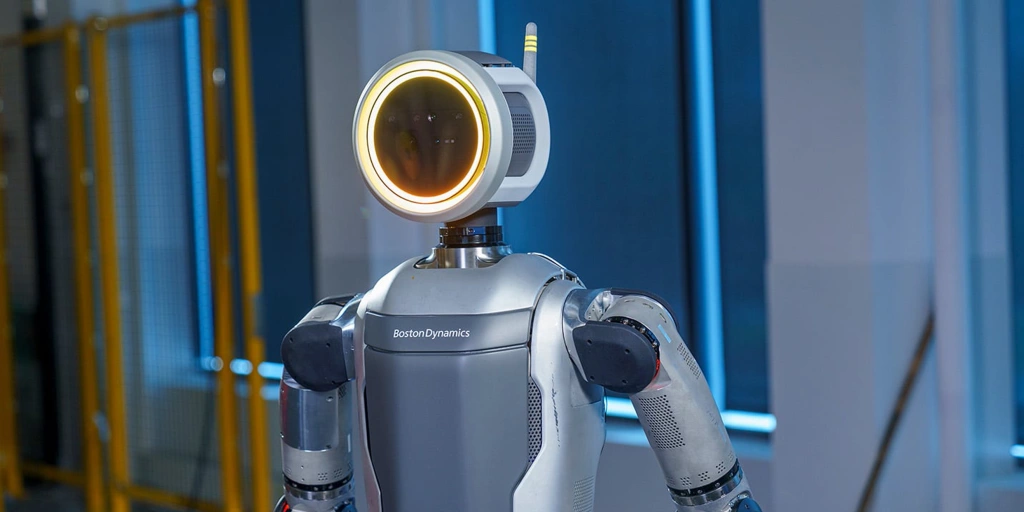
Image Credits: NBC News
- Samsung Display AI OLED Bot concepts: Robots and objects with expressive OLED “faces” are a big theme. The point is not cuteness, it is communication. Robots will need to explain themselves in human spaces.
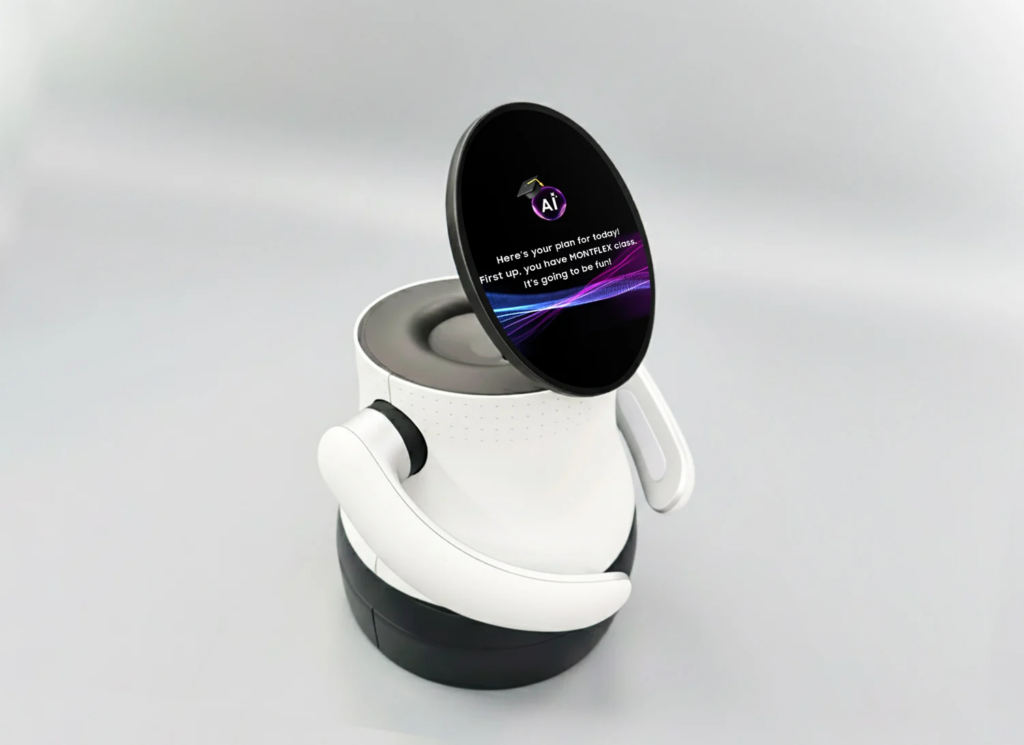
Image Credits: SamMobile
Mobility: cars become software platforms, and flying concepts return with confidence
CES is now a mobility show with electronics attached. The most important change is that the cockpit is becoming a computing environment.
Must see:
- BMW iX3 with Panoramic iDrive: A wide, windshield spanning interface that pushes augmented driving visuals into the core experience.
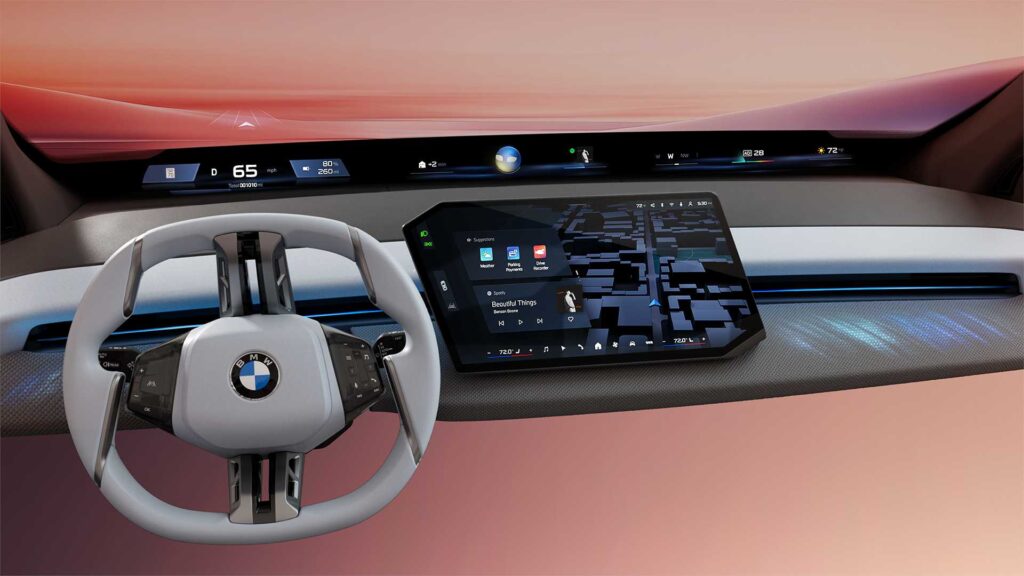
Image Credits: BMW Group Press Club
- Mercedes Benz Electric GLC: A luxury EV with long range claims and a heavy focus on the in cabin digital experience.
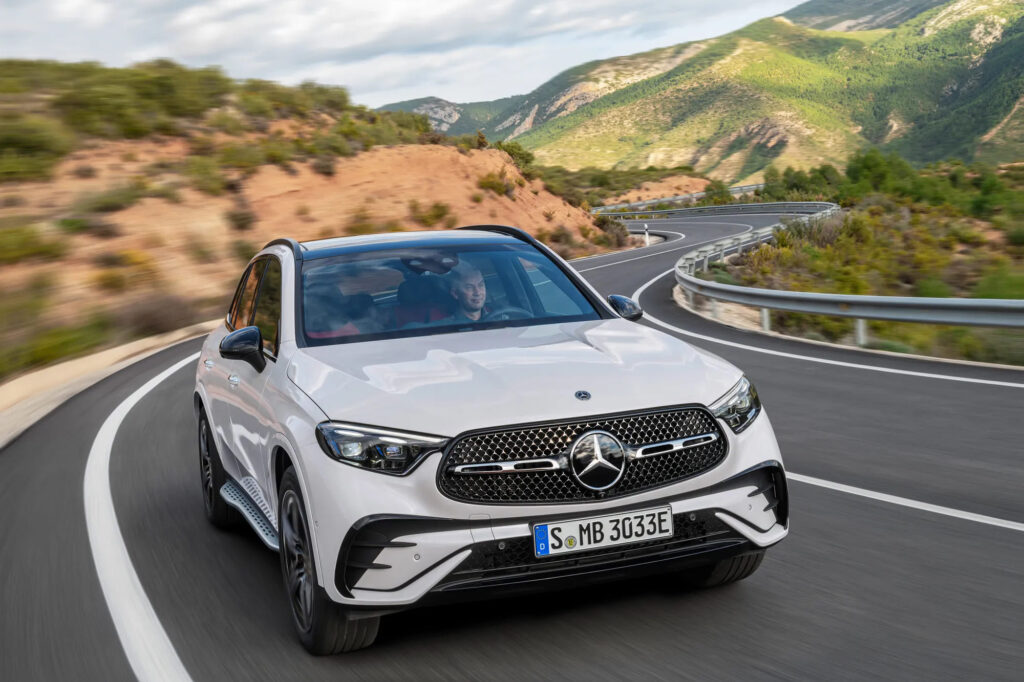
Image Credits: Bloomberg
- XPENG “Land Aircraft Carrier” concept: A vehicle plus docked flying module idea that is equal parts absurd and fascinating. Even if it is years away, it captures the show’s mood: bold prototypes are back.
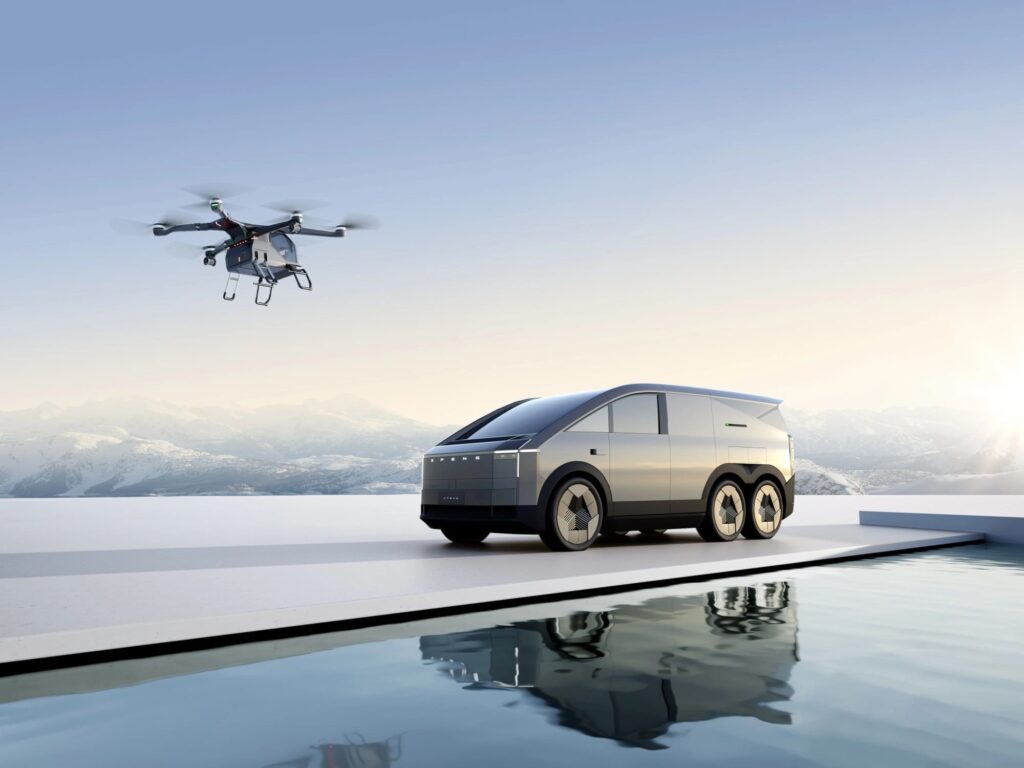
Image Credits: AutoCango
Gaming and immersive tech: 3D returns, but with serious engineering
This year’s best gaming gear is not subtle. It is about depth, resolution, and immersion.
Do not miss:
- Samsung Odyssey 3D G90XH: A glasses free 3D monitor using eye tracking, paired with high refresh rates. This is the first time in years that 3D looks like it might stick because the demo quality is finally there.
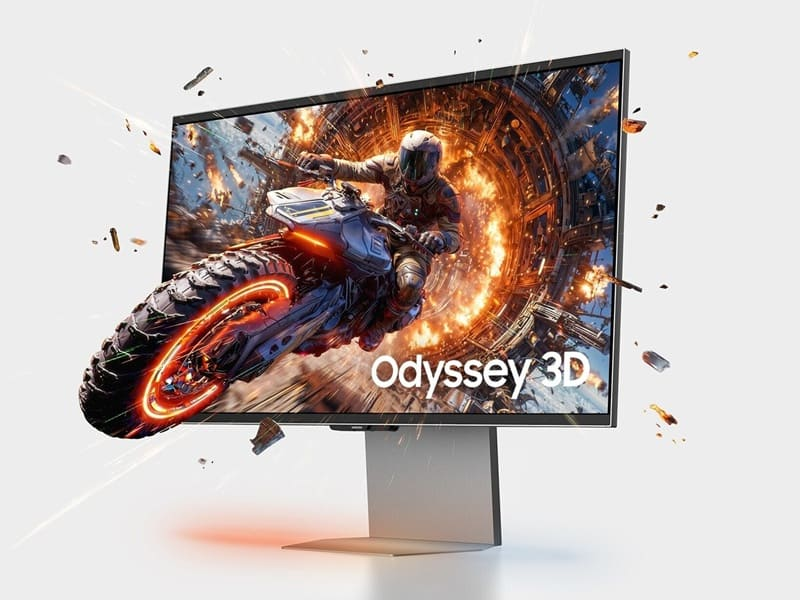
Image Credits: i2HARD
- LG UltraGear evo 5K lineup: 5K plus AI upscaling is a bet on the next generation of GPUs and content pipelines.
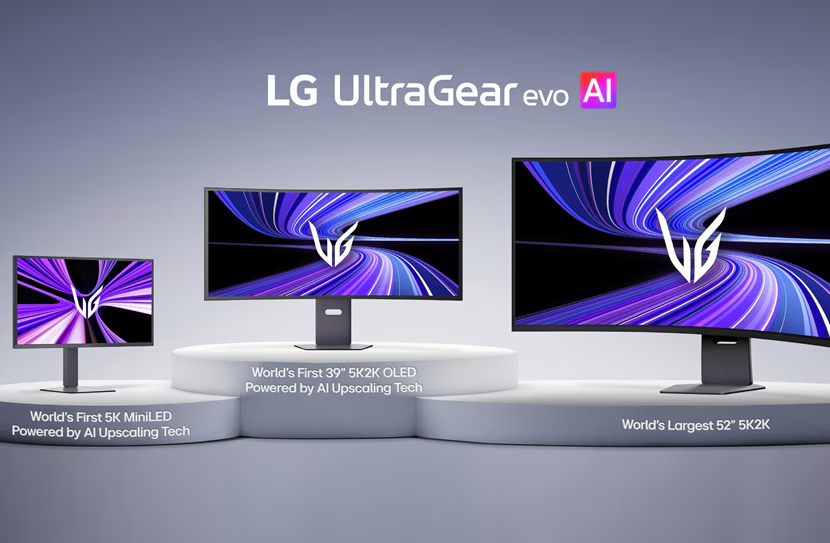
Image Credits: LG
- GameSir Swift Drive: A controller with a miniature force feedback steering wheel built in. It is exactly the kind of “why does this exist” idea that becomes a cult favorite if it feels good in hand.
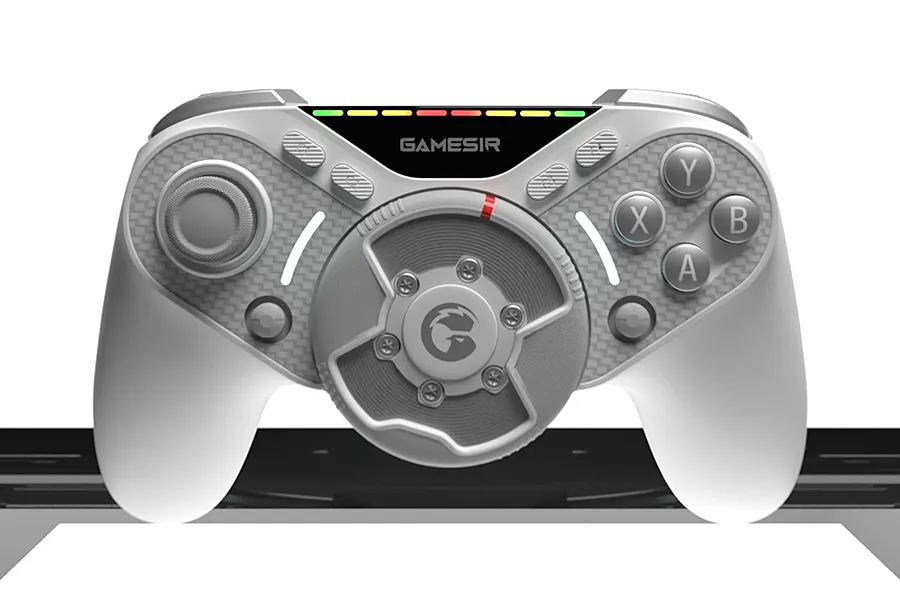
Image Credits: The Verge
- Pimax ConcaveView VR headsets: High fidelity VR aimed at enthusiasts, with wide field of view and micro OLED visuals. If you care about sim rigs, this is a booth you do not skip.
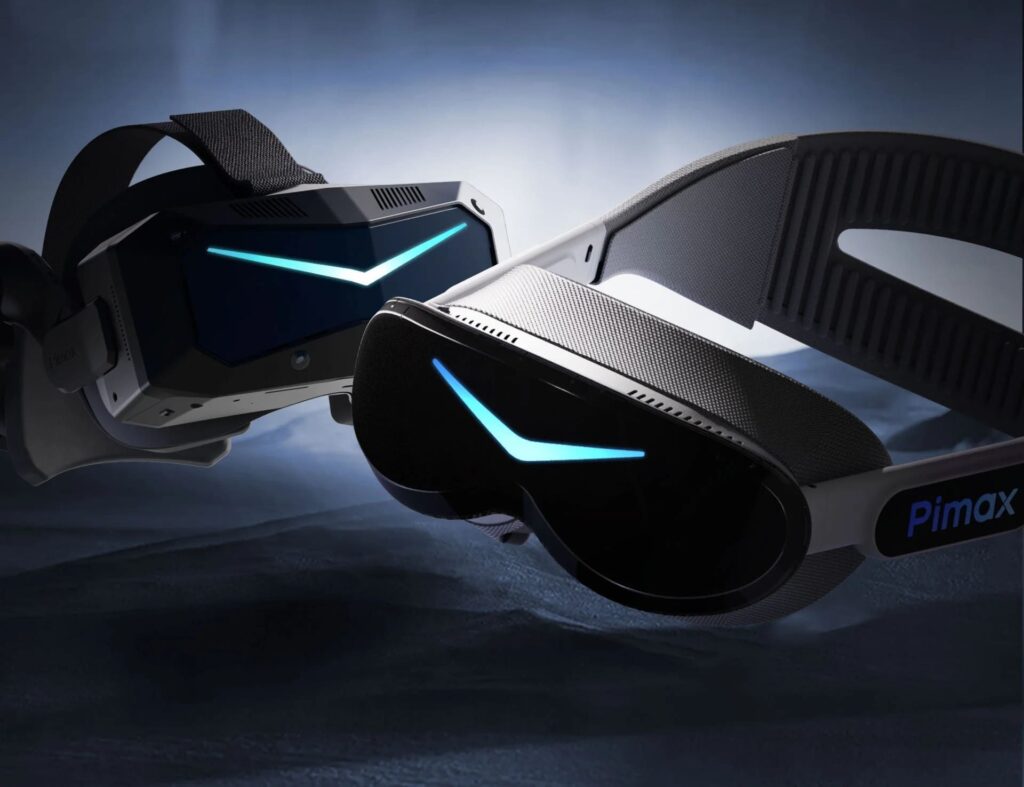
Image Credits: Pimax
The sleeper trend: on device AI boxes that turn products into “offline brains”
Not every breakthrough looks like a gadget. Some look like a small box that changes what other devices can do.
Look for:
- Edge AI compute boxes like Mobilint MLX A1: This category matters because it enables robots, vehicles, and security systems to run advanced AI locally. Faster response, less dependency, more privacy. It is the infrastructure behind the magic.
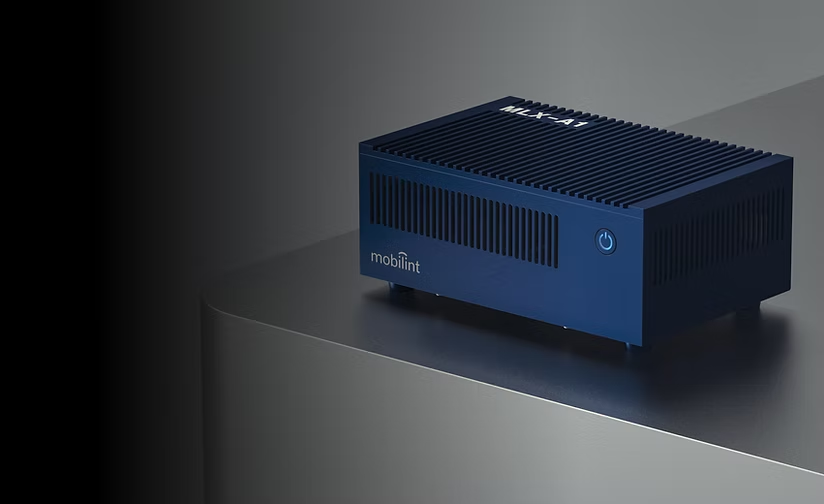
Image Credits: Mobilint
Rumors and leaks: what people whispered about before the doors opened
This is the fun section, and it matters because it reveals where the industry is nervous, competitive, or about to pivot.
The biggest chatter:
- Dell XPS comeback: Rumors of the XPS branding returning with new models, a signal that naming and positioning still matter in a market drowning in “Pro” labels.
- HP triple CPU laptop idea: Talk of one platform offered with Intel, AMD, or Qualcomm chips. If true, it is a bold move that highlights the new silicon arms race.
- Ultra bright OLED talk: Speculation around a new OLED generation chasing extreme brightness numbers, aiming to close the remaining gap with high end LED.
- Next wave of chips: Pre show talk around new laptop processors and gaming focused silicon, plus the usual swirl of GPU and mobile platform updates.
Treat all of the above as directional signals until the companies confirm details on stage.
Keynotes and Panels: the talks you should actually schedule around
CES 2026 is not only a show floor story. The real narrative gets defined on stage. If you want to understand what the launches mean, and what will matter next quarter, not just what looks cool today, build your agenda around these keynotes and sessions.
Keynotes that set the week’s direction
- AMD opening keynote (Jan 5) led by Dr. Lisa Su, the big signal moment for where AI computing is heading.
- Siemens keynote (Jan 6) with CEO Dr. Roland Busch on digital transformation, with major AI and cloud leadership joining the conversation, plus a strong emphasis on energy and next generation infrastructure.
- Lenovo keynote at Sphere led by CEO Yuanqing Yang, built like a headline event with an all star on stage discussion featuring leaders from AMD, Qualcomm, Intel, NVIDIA, plus FIFA’s Gianni Infantino, a clear message that tech is now shaping every industry, including global entertainment and sports.
- Media and content keynote (Jan 6) from Yannick Bolloré (Havas, Vivendi), focused on where advertising, storytelling, and content platforms are heading next.
- Industrial tech keynote (Jan 7) from Caterpillar CEO Joe Creed, centered on automation and the future of heavy industry, proof CES is now as much about industrial transformation as consumer gadgets.
Great Minds panels you should not skip
These are the sessions that connect the dots across the show.
- Always On: How Continuous Health Data is Transforming Care
The biggest health shift at CES 2026: wearables and continuous data moving healthcare from reactive to proactive. - The Future of Computing
A grounded, big picture debate on what PCs become in the AI era, and how cloud, on device AI, and software are reshaping everyday work. - Back to the Future: Tech’s Nostalgic Revolution
One of the most surprisingly useful sessions, why retro design and nostalgia keep returning, and how that influences what gets funded, built, and adopted. - Driving Tomorrow: Democratizing the Future of Software Defined Vehicles
The car as a platform story, how vehicles become updatable digital products, and what that changes about features, safety, and ownership.
Tech policy sessions that will shape what products can ship
If you care about AI governance, privacy, competition, and regulation, these sessions are essential.
- Fireside chats with top US regulators, focused on the rules catching up to fast moving tech.
- A US Senators panel on emerging technology policy and regulation, one of the clearest windows into what the next few years of tech oversight could look like.
One more talk worth catching if you want a “future is already here” moment
- Rise of the AgBot (farming robots session)
A sharp look at robotics moving beyond demos into real world labor, agriculture, and autonomy.
How to “win” CES in one day
If you have limited time, use this route:
- Start with robotics and AI demos early, before crowds peak
- Hit smart home and appliances next, because lines build fast and demos are hands on
- Save TVs and displays for later, they are easiest to absorb quickly
- End with gaming and immersive booths, they are the best late day payoff
CES 2026 is not just about what is new. It is about what is becoming real. The best moments this year are the ones where tech stops being a spec sheet and turns into a new behavior: speaking to a wall and getting art, translating across languages in a noisy hall, watching a robot communicate with body language, seeing a car UI feel like a software platform, not a dashboard.
I’m a tech-savvy marketing strategist who’s always exploring how products fit into real-world behavior and market trends. Leveraging my professional experience in marketing, I evaluate gadgets from strategic and user-focused perspectives. At The Gadget Flow, I analyze features, benefits, and market impact to give readers a deeper understanding of the latest tech.